Joint Replacement Surgery
Joint Replacement Surgery
Joint Replacement Surgery
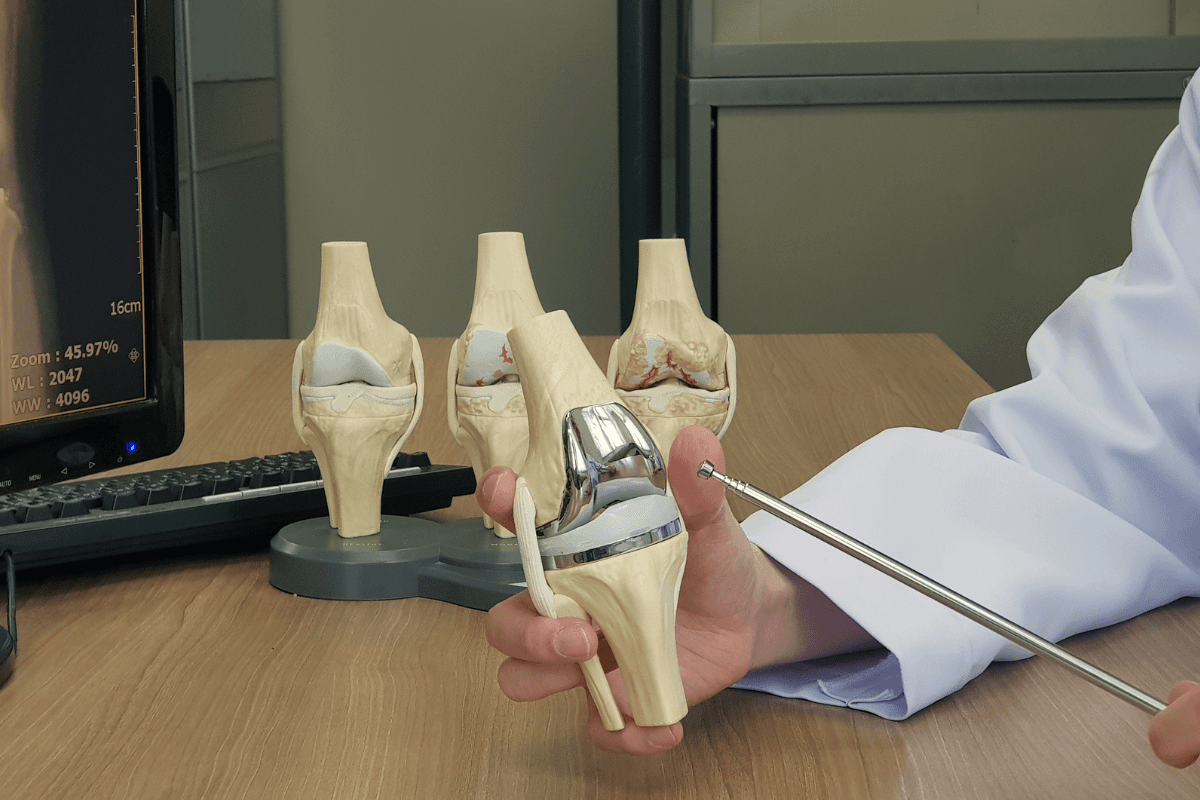
I once saw joint replacement as a last-resort procedure, but it’s really about restoring everyday life without constant pain. When people can move freely, sleep better, and get back to what they enjoy, the shift is powerful. That deeper outcome is what truly resonates.
I once saw joint replacement as a last-resort procedure, but it’s really about restoring everyday life without constant pain. When people can move freely, sleep better, and get back to what they enjoy, the shift is powerful. That deeper outcome is what truly resonates.
Founder, FyzenStar Media
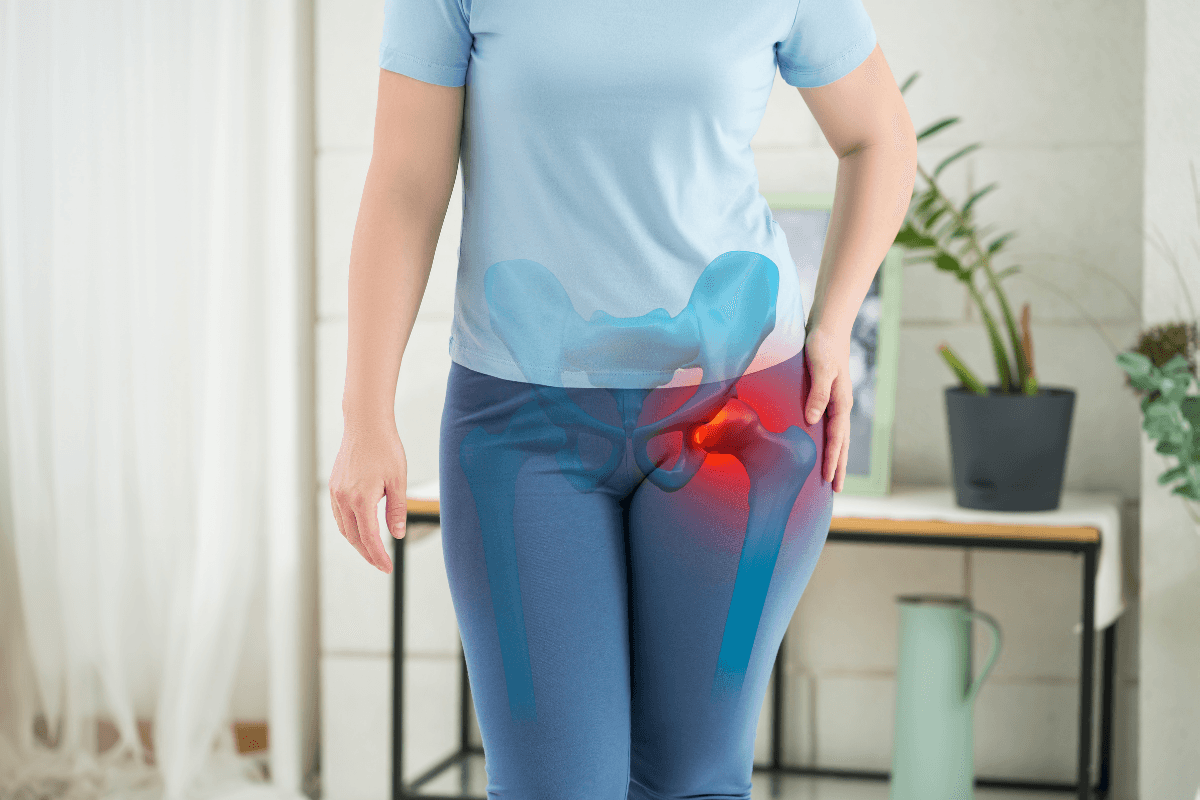
A surgical procedure that replaces damaged or worn-out joints with advanced prosthetic implants, joint replacement surgery restores mobility, relieves chronic pain, and helps patients return to a more active, independent lifestyle.

Who It’s For:
Adults experiencing chronic joint pain (knee, hip, or shoulder) that limits daily activities
Patients with osteoarthritis, rheumatoid arthritis, or joint degeneration
Individuals struggling with mobility, stiffness, or reduced range of motion
Older adults seeking to regain independence and improve quality of life
Patients who haven’t found relief through medication, physiotherapy, or injections
Treatment Outcome:
Significant reduction or complete relief from chronic joint pain
Improved mobility, flexibility, and ability to perform daily activities
Long-term solution with durable, prosthetic joint function
Enhanced quality of life, independence, and physical confidence
Recovery through structured rehabilitation with gradual return to normal activity
Types:
Total Knee Replacement (TKR)
Total Hip Replacement (THR)
Partial Knee Replacement
Shoulder Replacement Surgery
Minimally Invasive Joint Replacement
Revision Joint Replacement (Redo Surgeries)
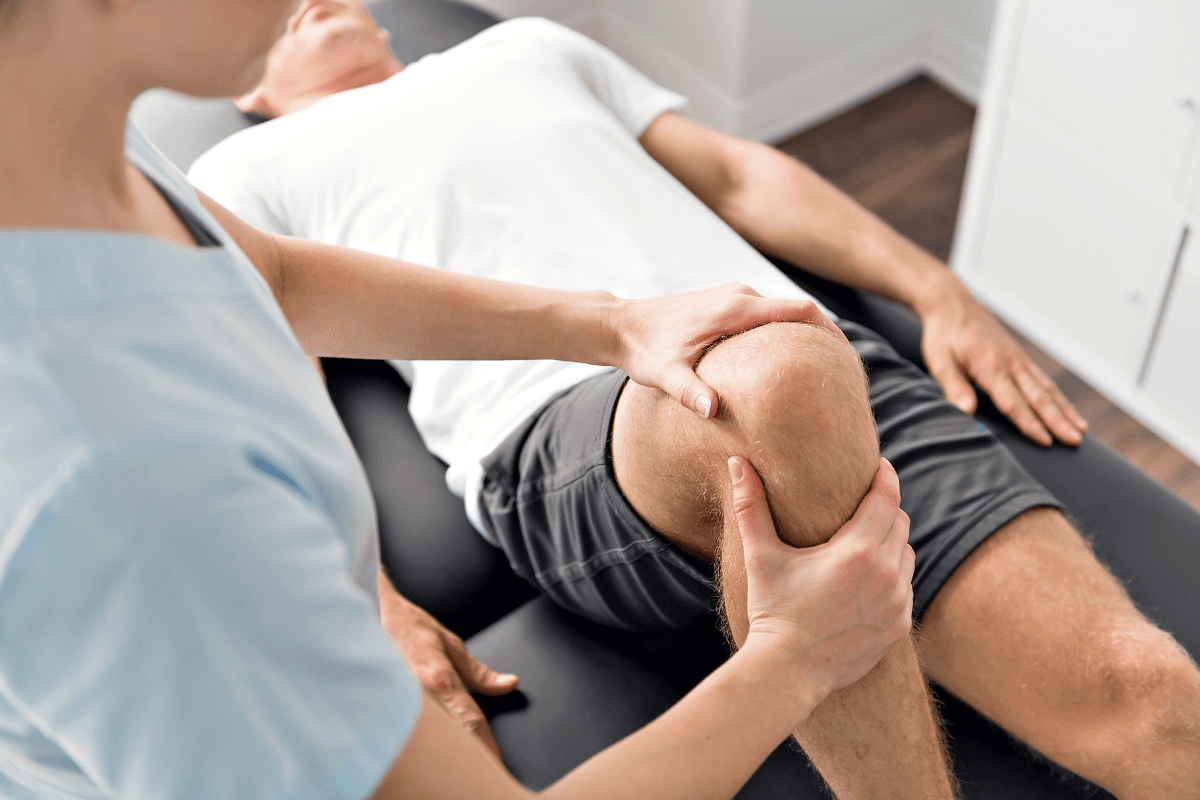
Marketing Insight:
Joint replacement patients respond best to trust-driven messaging, real patient recovery stories, mobility improvements, and pain relief outcomes resonate far more than aesthetics. Emphasizing quality of life, independence, and long-term durability builds stronger intent. Segmenting by age, pain severity, and lifestyle limitations leads to higher-quality consultations and conversions.